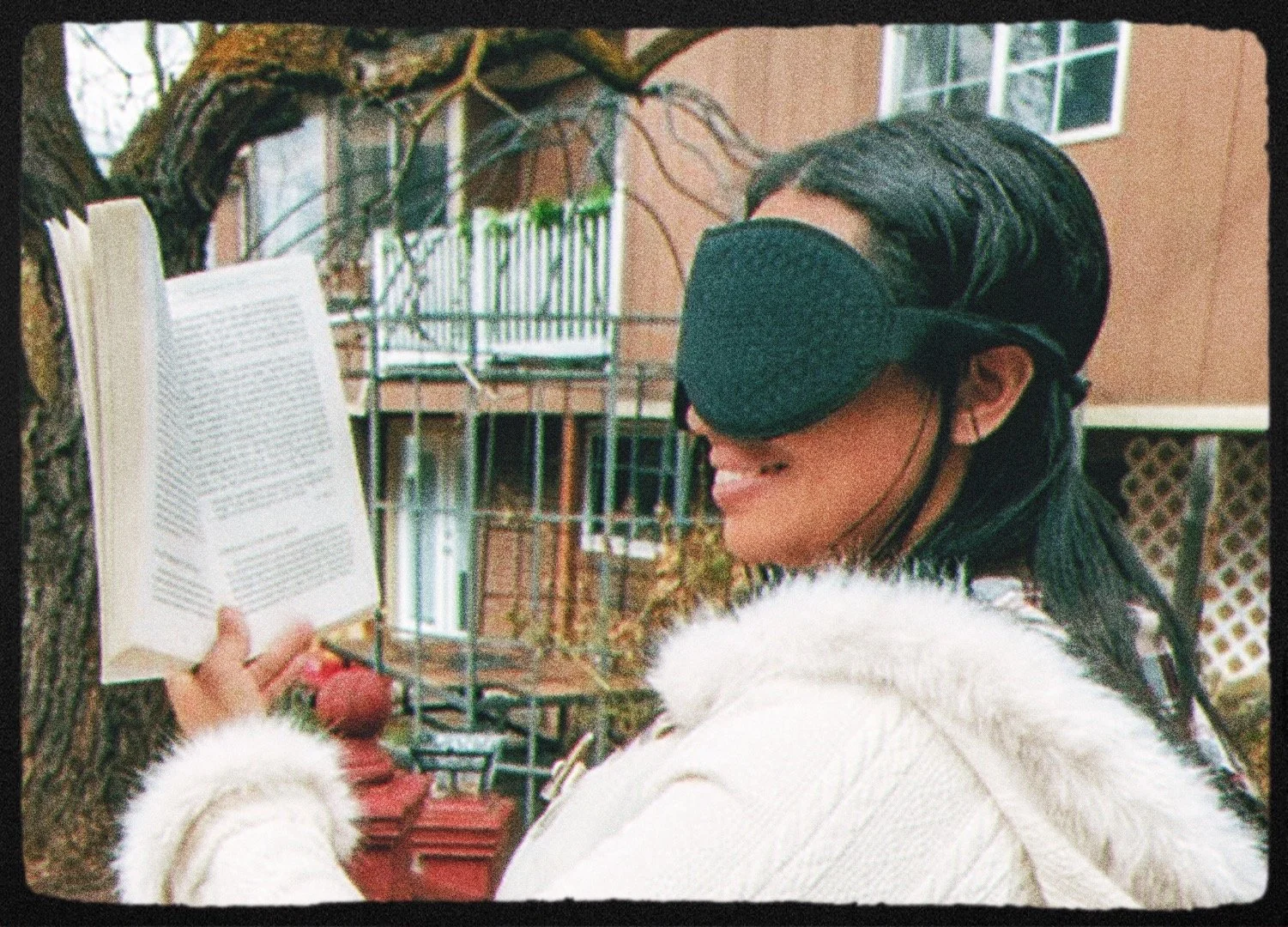
History + Context
What we call mindsight (sometimes described as “vision without eyes” or blindfold-based perception training) shows up in multiple modern lineages around the world. The names vary by country, but the underlying premise is consistent: kids can train attention, calm, and inner-perception through structured exercises—often using blackout blindfolds to remove ordinary visual cues and strengthen the “inner signal.”
A modern cross-cultural thread
Mexico (EOV / VEO lineage)
One widely shared modern stream is Extra Ocular Vision (EOV), associated with Noé Esperón and described as being taught in Mexico for decades, then spreading internationally through instructor training and affiliated programs.
United Kingdom (ICU Academy, Essex)
In the UK, ICU Academy describes a structured program where children (often ages 5–12) learn to read, play games, and perform activities while wearing eye masks across 10–12 one-hour sessions.
India (Intuition Process)
In India, the Art of Living “Intuition Process” is presented as a children/teens program for developing intuition and confidence, and it’s frequently associated (in public-facing media and interviews) with blindfold-based demonstrations as one component of training.
Russia & post-Soviet lineages (Direct Vision / “inner screen”)
In Russia, the Bronnikov Method (1990s) became known for teaching “direct vision,” often described as developing an “inner screen”—a trained mental display that children use to perceive information without ordinary eyesight. The approach spread through Russia and Ukraine in the early 2000s and remains part of the modern ecosystem of blindfold-perception training.
Why this matters in the United States
Kids are growing up inside an environment that constantly fragments attention. Training perception from the inside out helps build the skills that matter now: focus, emotional steadiness, creativity, and self-trust.